Guide
A Quiet Guide to Buying Furniture With Provenance
Provenance is more than a story. It is a record — of who made the piece, where it lived, and why it matters. Here is what to look for.
19 April 2026 · 5 min read · By Mariona
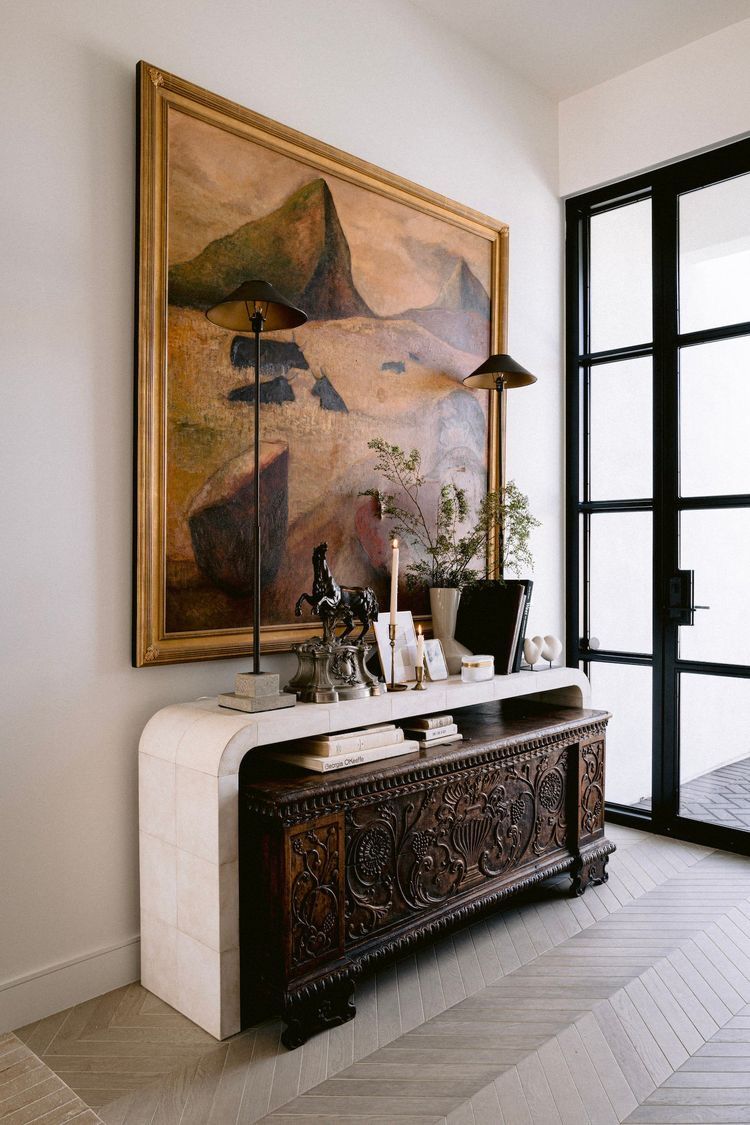
In the art world, provenance is a chain of custody — a documented record of every owner a piece has had since it left the maker. In furniture, the concept is similar but rarely formalised. A piece without provenance is a piece without a past.
What good provenance looks like
Strong provenance answers four questions clearly:
- Who made it. The designer, the workshop, or the manufacturer.
- Where it lived. Ideally, a specific property and a specific room or area.
- When. Year of original commission and date of acquisition.
- Why. What made it worth preserving — design merit, rarity, or association.
Why hotel provenance is interesting
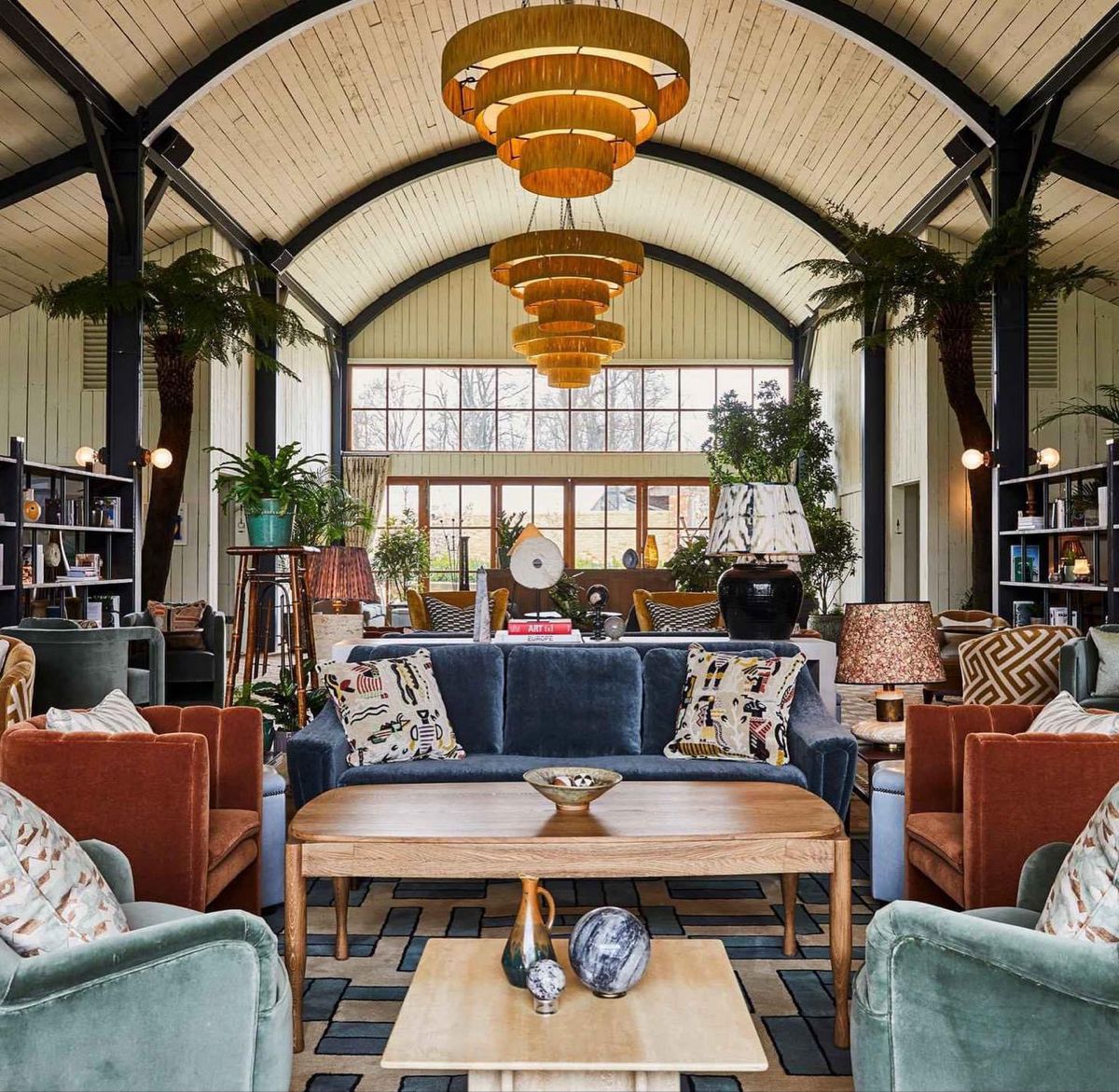
Hospitality interiors are usually photographed extensively for press, brand campaigns, and social media. That means a hotel-sourced piece often has a visual record of itself in its original context — a level of documentation almost impossible to obtain for residential second-hand pieces.
It also means hotel furniture is built to a higher specification than most retail furniture. Hospitality-grade construction is required to survive nightly use, daily cleaning, and rotating guests. A chair that lasted ten years in a hotel lobby will likely last fifty in a living room.
What to ask when buying
If you are considering a piece from any source — auction, dealer, marketplace — ask for the four answers above in writing. If a seller cannot tell you where a piece came from, that is information too.